Source Minimalist Multi Tier Storage Rack for Home, Office, Kitchen
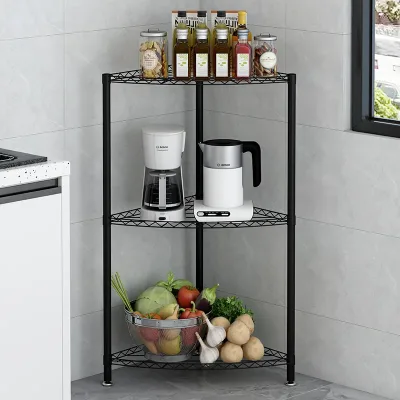
Explore 30 options for a minimalist multi tier storage rack designed for home, office, and kitchen use. Compare materials like metal, plastic, and wood, check customization options, and review specifications such as load capacity and dimensions to find the right fit for your needs.
Key considerations
Products List




Comprehensive Sourcing Guide
Minimalist Multi Tier Storage Rack Sourcing Guide
Procuring a minimalist multi-tier storage rack requires balancing aesthetic simplicity with robust structural integrity, as the observed market data indicates a diverse range of materials including metal, plastic, and wood. Buyers must carefully evaluate the specific application environment, whether for kitchen buffets, bedroom nightstands, or general office organization, to ensure the selected unit meets the intended load capacity and spatial constraints. The available product models demonstrate that customization is a standard feature, allowing for tailored dimensions and finishes that align with modern interior design trends while maintaining functional utility.
Commercial terms vary significantly across listings, with minimum order quantities ranging from single units to several hundred pieces, directly impacting the feasibility of small-scale procurement versus bulk industrial purchasing. Lead times typically span 15 to 30 days, necessitating early planning to avoid supply chain disruptions, while packaging methods such as cartons or boxes must be verified to prevent damage during transit. Understanding these logistical variables is essential for establishing a realistic budget and timeline, ensuring that the procurement process remains efficient and aligned with operational requirements.
Product Scope and Observed Listing Signals
The current market offers a wide spectrum of minimalist storage solutions, ranging from three-layer units designed for specific uses like nightstands to multi-tier systems suitable for heavy-duty kitchen or office applications. Observed listings highlight distinct product models with varying specifications, including standard dimensions like 42 cm x 32 x 72 cm and custom options that allow buyers to specify exact sizes. This variability suggests that a one-size-fits-all approach is rarely effective, and buyers should prioritize suppliers who explicitly offer customizable standards to match their unique spatial and functional needs.
Color and finish options are equally diverse, with available selections including white, blue, and picture-based designs, alongside materials that define the product's durability and aesthetic appeal. While some units are marketed as eco-friendly, others emphasize heavy-duty capabilities with load capacities exceeding 20 kg, indicating that performance claims must be validated against specific use cases. Buyers should scrutinize the "General Use" and "Specific Use" attributes to ensure the selected rack is engineered for its intended environment, whether it is a high-traffic commercial space or a quiet residential bedroom.
Technical Specifications to Verify
Dimensional accuracy is a critical verification step, as observed data shows both fixed standards and fully customizable size options that can significantly alter the final product's fit and function. Buyers must confirm whether the listed dimensions, such as 322648 or 43*30, represent the final assembled size or the packed dimensions, and verify if the "Can Be Customized" standard applies to the specific model being ordered. This distinction is vital for ensuring the storage rack integrates seamlessly into existing furniture layouts without requiring costly modifications or resulting in spatial inefficiencies.
Material composition and structural design also demand rigorous scrutiny, given the presence of metal, plastic, and wood options in the current market. The distinction between "Undisassembly" and "Disassembly" capabilities affects long-term maintenance and shipping logistics, while the "Folded" status indicates whether the unit is delivered in a compact state or fully assembled. Verifying the "Tiers" count and "Layer" configuration ensures the rack provides the necessary storage volume, and confirming the "Load Capacity" guarantees the unit can safely support the intended weight without risk of structural failure.
Compliance and Safety Documentation
While specific certification data is limited in the provided context, buyers should request evidence of compliance with relevant safety standards, particularly for products intended for heavy-duty or commercial use. The observation of "Best" quality claims and "Eco-Friendly" attributes suggests that suppliers may adhere to environmental or safety protocols, but these assertions require independent verification through third-party testing reports or manufacturer declarations. Without explicit certification details in the source data, procurement teams must treat such claims as preliminary and demand documented proof before finalizing any purchase agreement.
Documentation regarding product origin and manufacturing standards is equally important for risk management, as the observed listings indicate origins in Jiangsu, China, and general China locations. Buyers should verify that the manufacturing processes align with international safety norms, especially for products involving metal or wood components that may require specific fire resistance or chemical treatment certifications. Ensuring that the supplier can provide comprehensive safety documentation helps mitigate liability risks and ensures the final product meets the regulatory requirements of the destination market.
Cost Drivers and Commercial Terms
Pricing structures for minimalist multi-tier storage racks are influenced by material costs, customization levels, and order volume, with observed price ranges spanning from 5 to 159 USD per unit. The minimum order quantity (MOQ) varies widely, from 1 piece to 1000 pieces, creating a significant cost barrier for small buyers while offering economies of scale for larger procurement projects. Understanding these commercial terms is essential for budgeting, as the unit price often decreases with higher volumes, but the initial investment required to meet the MOQ can be substantial for smaller enterprises.
Lead times and packaging requirements further impact the total cost of ownership, with delivery windows typically ranging from 15 to 30 days and packaging options including cartons or boxes. Buyers must account for potential shipping costs and insurance fees, which can escalate if the product requires special handling due to its size or fragility. Additionally, the availability of customization services may incur additional charges, so it is crucial to clarify all potential extra costs upfront to avoid unexpected budget overruns during the procurement process.
Supplier Qualification and Quality Control
Supplier qualification should focus on verifying the consistency of product attributes, such as the "New" condition and the specific material composition, to ensure that the delivered goods match the initial specifications. Given the observed variations in models and standards, buyers must implement a robust quality control protocol that includes pre-shipment inspections to confirm dimensions, load capacity, and finish quality. This proactive approach helps identify any discrepancies between the advertised "Best" quality and the actual product, reducing the risk of receiving substandard or non-compliant inventory.
Communication and responsiveness are also key indicators of supplier reliability, particularly when dealing with customized orders that require specific adjustments to size or color. Buyers should assess the supplier's ability to provide clear updates on production status and their willingness to address any quality concerns promptly. Establishing a clear line of communication ensures that any issues regarding the "Eco-Friendly" claims or structural integrity can be resolved quickly, maintaining the integrity of the supply chain and protecting the buyer's investment.
Long-Term Procurement Checks
Sustaining a successful procurement relationship requires regular audits of supplier performance, focusing on their ability to consistently meet delivery timelines and maintain product quality over time. Buyers should track key performance indicators such as on-time delivery rates, defect rates, and the responsiveness of the supplier to quality issues, ensuring that the "15-30 days" lead time remains reliable for future orders. This continuous monitoring helps identify potential supply chain vulnerabilities and allows for timely adjustments to the procurement strategy before they impact business operations.
Future-proofing the procurement strategy involves staying informed about market trends and technological advancements in storage solutions, ensuring that the selected minimalist multi-tier racks remain relevant and functional. Buyers should periodically review the product specifications and material options to ensure they continue to meet evolving customer needs and regulatory requirements. By maintaining a flexible and adaptive approach, organizations can secure a reliable supply of high-quality storage solutions that support their long-term operational goals and aesthetic standards.
FAQs
What is the minimum order quantity for a minimalist multi tier storage rack?
Minimum order quantities vary by model, with listed options including 50 pieces, 100 pieces, and 200 pieces. Lower MOQs often apply to standard plastic or wood designs, while customized metal racks usually start at 100 pieces. Confirm the exact MOQ for your chosen model with the supplier before requesting a quotation, since customization requirements can change it.
How long does delivery take for a minimalist multi tier storage rack order?
Listed delivery time is 15 to 30 days after order confirmation. The exact schedule depends on order quantity, whether the rack size or standard is customized, and current production capacity. Racks ship in carton or box packing, so factor in additional transit time after production finishes when planning your restocking or project timeline.
Can the size and specifications of the storage rack be customized?
Yes, customization is available. Listed sizes can be customized, and the production standard can also be adjusted to your requirements. Provide your desired dimensions, tier count, and material preference when requesting a quote. Keep in mind that customized specifications may affect the minimum order quantity and the 15 to 30 day production lead time.
Which materials are available for a minimalist multi tier storage rack?
Listed options include metal, plastic, and wood constructions, so you can match the material to the intended application. Metal suits extra heavy-duty loads of more than 20 kilograms, while plastic offers an eco-friendly lightweight option and wood fits bedroom or living room decor. Many color choices, including white and blue, are available across the modern style range.
How is the minimalist multi tier storage rack packed for shipping?
Packing options listed include carton and box packing, protecting the rack during long-distance transit. Units arrive new, unfolded or in disassembled form depending on the model, which reduces shipping volume. Confirm the packing format for your specific model when ordering, because disassembled designs are easier to stack but require simple assembly at the destination.
Where can these storage racks be used in the home or office?
Listed applications include the kitchen, bedroom, office, and living room, with specific use as a nightstand for bedroom bedside storage. Multi-tier designs with three layers or more work well for organizing daily items vertically. Since the style is modern and colors are flexible, the racks blend into minimalist interiors while supporting household storage needs.